Natural GLP-1: Reset Your Metabolism Without Medication
Most people don't need medication to manage appetite and blood sugar. Learn how to boost GLP-1 naturally with food, movement, and lifestyle.
The Hunger Hormone Nobody Talks About
You've heard about GLP-1 medications. What you may not know is that your body already makes this hormone — and for most people, the problem isn't a shortage of the hormone itself. It's that modern life has suppressed it.
GLP-1 (glucagon-like peptide-1) is a hormone your gut releases when you eat. It tells your brain you're full, slows stomach emptying, and keeps blood sugar steady. When it works well, meals feel satisfying, cravings fade, and your metabolism hums along. When it doesn't, you're hungry an hour after eating, reaching for sugar, and storing fat around your midsection despite your best efforts.
The good news: you can restore your body's natural GLP-1 signaling without a prescription. The Living Light Metabolic Reset program does exactly that — by balancing food, timing, movement, thoughts, and breathing in a way that lets your biology do what it was designed to do.
Why Your GLP-1 Is Quiet Right Now
GLP-1 doesn't fail in a vacuum. Several everyday factors turn the volume down:
- Chronic stress — cortisol competes with satiety signals and drives cravings for quick energy
- Erratic meal timing — eating at all hours confuses your gut's natural hormone pulses
- Ultra-processed foods — refined carbs and industrial fats blunt the GLP-1 response
- Poor sleep — one night of short sleep measurably reduces next-day appetite regulation
- Sedentary patterns — movement, especially after meals, is one of the strongest GLP-1 triggers
- Gut inflammation — dysbiosis and leaky gut reduce the cells that produce GLP-1
If this sounds like your life, listen! Your environment is simply out of sync with your biology.
How to Boost GLP-1 Naturally
Eat Whole, Fiber-Rich Foods First
GLP-1 cells sit in your gut lining and respond to real food. The strongest natural triggers include:
- Leafy greens and non-starchy vegetables — their fiber stretches the gut wall, signaling satiety
- Legumes and lentils — resistant starch feeds good bacteria and boosts post-meal GLP-1
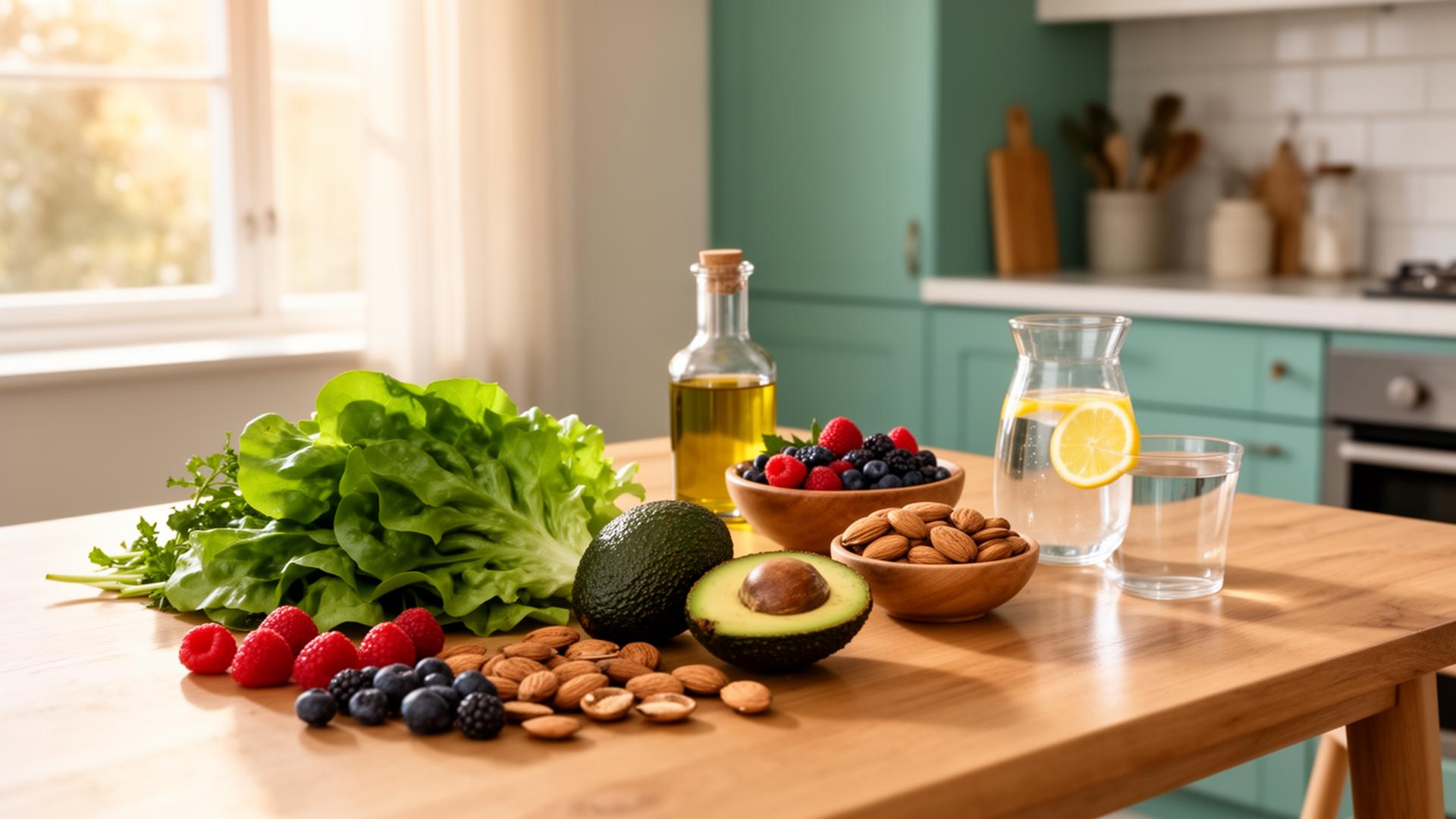
- Healthy fats — avocado, olive oil, and nuts slow digestion and extend the hormone signal
- Quality protein — eggs, fish, poultry, and tempeh increase meal satisfaction and blunt glucose spikes
- Berries and citrus — polyphenols support the gut cells that release GLP-1
"Start every meal with quality protein or a small salad. That single habit can increase your natural GLP-1 response more than any supplement." — Teresa Jacobson, NBC-HWC
A simple rule: build your plate around plants, protein, and healthy fat. Leave refined grains and added sugars for occasional use — they offer almost no GLP-1 benefit.
Time Your Meals With Your Body Clock
Your gut has a circadian rhythm. GLP-1 secretion peaks in the morning and tapers in the evening. Eating in alignment with this rhythm makes a measurable difference:
- Eat breakfast within an hour of waking — your gut is primed to respond
- Front-load calories earlier in the day — a hearty lunch and lighter dinner support hormone balance
- Finish eating 3 hours before bed — late meals suppress overnight repair and morning GLP-1 output
- Consider a 12–14 hour overnight fast — a modest fasting window gives your gut cells time to reset and resensitize
The Living Light approach isn't about extreme restriction. It's about giving your gut a predictable rhythm so it knows when to work and when to rest.
Move — Especially After Eating
Physical movement is one of the most powerful, free GLP-1 boosters available. You don't need a gym membership:
- Take a 10-minute walk after lunch and dinner — light post-meal movement increases GLP-1 secretion and lowers glucose spikes by 12–22%
- Add two short strength sessions per week — muscle tissue improves insulin sensitivity and supports appetite hormone balance
- Break up sitting every hour — even standing and stretching for two minutes changes your metabolic trajectory
Movement isn't punishment. It's a signal to your gut that your body is alive, engaged, and ready to use the fuel you give it.
Regulate Your Nervous System
Stress and GLP-1 are on opposite ends of a seesaw. When cortisol is chronically elevated, your brain ignores satiety signals and drives you toward quick calories. The antidote is daily nervous-system regulation:
- Heart-focused breathing, 2–5 minutes — slow nasal breathing with a longer exhale shifts your body into parasympathetic mode, where digestion and hormone balance thrive
- Morning sunlight exposure — 10 minutes of outdoor light within an hour of waking anchors your cortisol curve and improves appetite regulation all day
- Screen-free wind-down — a twenty-minute transition before bed protects melatonin and the gut repair that happens overnight
These aren't luxuries. They're metabolic infrastructure. The women and men who see the most dramatic resets in the Living Light program are the ones who take nervous system regulation as seriously as nutrition.
Support Your Gut With Targeted Choices
Beyond food, a few evidence-backed supplements and habits can nudge GLP-1 in the right direction:
| Strategy | How It Helps |
|---|---|
| Berberine | Supports healthy blood sugar and mimics some metabolic pathways related to GLP-1 |
| Magnesium | |
| (glycinate or citrate) | Cofactor for insulin signaling and stress resilience; most adults are deficient |
| Omega-3 fatty acids | Reduce gut and systemic inflammation, improving hormone signaling |
| Adequate hydration | Dehydration is often mistaken for hunger; water before meals supports satiety |
| Chew thoroughly | Slower eating gives GLP-1 cells more time to register the meal |
Supplements complement — they do not replace — the fundamentals of food, movement, sleep, and stress management.
What to Track
You don't need expensive testing to know if your natural GLP-1 strategies are working. Watch for these markers over 4–6 weeks:
- Hunger between meals — you should feel satisfied for 3–4 hours after eating
- Craving intensity — sugar and snack cravings typically diminish within 2–3 weeks
- Waist circumference — even a modest reduction suggests improved insulin and appetite signaling
- Energy stability — fewer afternoon crashes mean your blood sugar is steadier
- Sleep quality — better sleep reinforces the cycle; worse sleep breaks it
If you want lab confirmation, ask your provider for:
| Marker | Target Range |
|---|---|
| Fasting insulin | < 6 µIU/mL |
| HbA1c | < 5.5% |
| Fasting glucose | 75–90 mg/dL |
| hs-CRP | < 1.0 mg/L |
| Triglycerides | < 100 mg/dL |
These numbers tell a richer story than weight alone. When they improve, your GLP-1 system is almost certainly functioning better too.
A Sustainable Path Forward
Medications have their place. But most people don't need to outsource appetite regulation to a drug — they need to remove the habits that suppressed their natural system in the first place.
The Living Light Metabolic Reset program builds a personalized roadmap around your labs, lifestyle, and goals. We don't hand you a meal plan and wish you luck. We look at how you eat, when you move, how you sleep, and how you handle stress — then we align those inputs so your body can produce the hormones it already knows how to make.
Ready to Take the Next Step?
If you've been told your numbers are "borderline," or you're tired of being handed another prescription without a real plan, we can help. Our team builds a personalized roadmap based on your labs, lifestyle, and goals.
Book your appointment today and start reversing the trajectory — not just managing it.
This article is educational and is intended to support — not replace — the conversation with your healthcare provider. Always work with a qualified clinician before changing medications or starting a new health protocol.